Phases
04
ExCom is a trader of precious metals raw material — doré in particular. It works the bridge between producers and refineries — the node where the precious metals supply chain is most fragmented, most opaque, and where someone has to take title to the metal and carry it across. ExCom buys at origin, moves the lot to refinery under its own risk, and prices against the LBMA fix inside a fourteen-day window — all of it run on the ExCom Trading Platform, an internal operating system that doubles as a counterparty bridge for hedging and order placement.
Mining, casting, refining, and bullion form a continuum. ExCom does not claim coverage of the chain. It claims one node — the raw-material bridge into refining — and operates it with the capital, compliance, and logistics required to take title at origin and deliver to specification. Doré is the canonical case; scrap, concentrate, and mining by-products travel the same protocol.
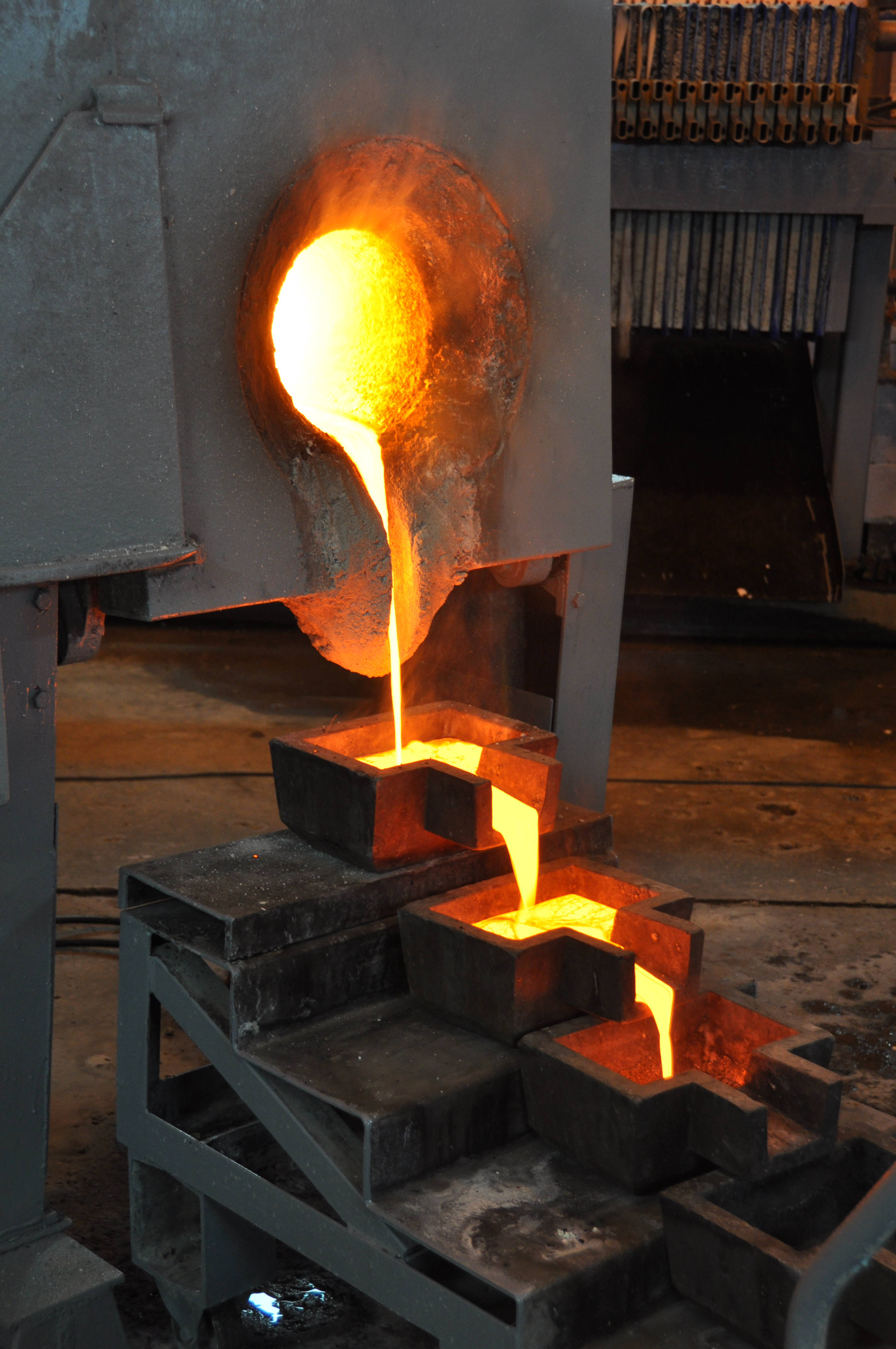
Doré is a rough, semi-pure alloy of gold and silver cast at the producer's mill — the industry-standard form in which precious metal moves from origin to refinery. Each lot carries its own assay profile, fineness, and chain-of-custody documentation. ExCom takes title to the doré at origin, carries it under its own balance sheet through transit and assay exchange, and delivers it to specification at LBMA-aligned refining counterparties.
Each phase is named, measured, and documented. ExCom operates the same protocol across counterparties — the discipline is what travels, not the relationship.
Forward Purchase Agreements with producers under risk-transfer at wheels-up. Counterparty due diligence, origin documentation, weight and assay capture before metal moves.
High-value cargo and inland road transportation insured end-to-end, origin to refinery vault. Custodial chain documented, customs cleared, vault-in confirmed before assay scheduling.
Assay-exchange refining at LBMA-accredited counterparties. Umpire option preserved on disputed fines. Outturn measured against agreed return percentage.
Pricing against LBMA AM/PM fix within a fourteen-day fix window. Spot-fixing on demand; OCO, stop, and limit orders available. Settlement documented to producer, refinery, insurer, and auditor in parallel.
ExCom does not publish lot-level operating figures on this surface. Counterparties receive the operating record through the channels below — structured for due-diligence cycles, calibrated to audit standard.
Lots processed, gross weight Au and Ag, average fineness, return percentage, wheels-up to fix timing, vault-in and settlement SLA. Captured at lot level on the ExCom Trading Platform; reconciled against producer, refinery, and insurer documentation.
Annual financial statements audited by KPMG Malta. Operational and compliance audits commissioned independently. Findings reported to the board and made available to qualified counterparties under NDA.
Quarterly operating record, audited financials, and lot-level fineness and return distributions are disclosed in the Counterparty Pack — issued under NDA during onboarding. Operating jurisdictions and active counterparty network disclosed in the same channel.
Request counterparty pack →ExCom operates within compliance frameworks aligned to international AML/CFT standards, OECD due-diligence guidance for responsible mineral supply chains, LBMA Responsible Sourcing Programme, and Responsible Jewellery Council requirements. Counterparty diligence is documented and audited end-to-end; sourcing is not extended where origin documentation does not survive scrutiny.
ExCom does not market itself to retail audiences. The entity speaks to refineries, producers, banks, hedging counterparties, and auditors. Doré ultimately becomes bullion — the chain's end-state is acknowledged, not pursued.